
Water Activity in Pet Food
Application
Headline: After 30 years of no problems, pet food company has to recall moldy product but claims moisture content didn’t change. If they had only been using water activity instead of moisture content.
Pet food production is one of the fasted growing industries worldwide valued at $91 billion dollars in 2018. Gone are the days of feeding your pet scraps from the table; pet food today is carefully formulated to provide healthy diets, avoid allergies, and provide variety. With the increasing value of pet food comes increased expectations for safety, quality, and consistency. Correspondent with
increased expectations has been more intensive governmental oversight and regulations. When the Food Safety Modernization Act (FSMA) was signed back in 2011, it included recommendations to make regulations on pet food production equivalent with human food production. The last of these updates in regulations went in to place for very small businesses as of September 2018. Meeting
these new FSMA regulations while still making a safe, quality product that is profitable is the current goal and challenge of the pet food industry.
WATER ACTIVITY IN PET FOOD AND MICROBIAL SAFETY
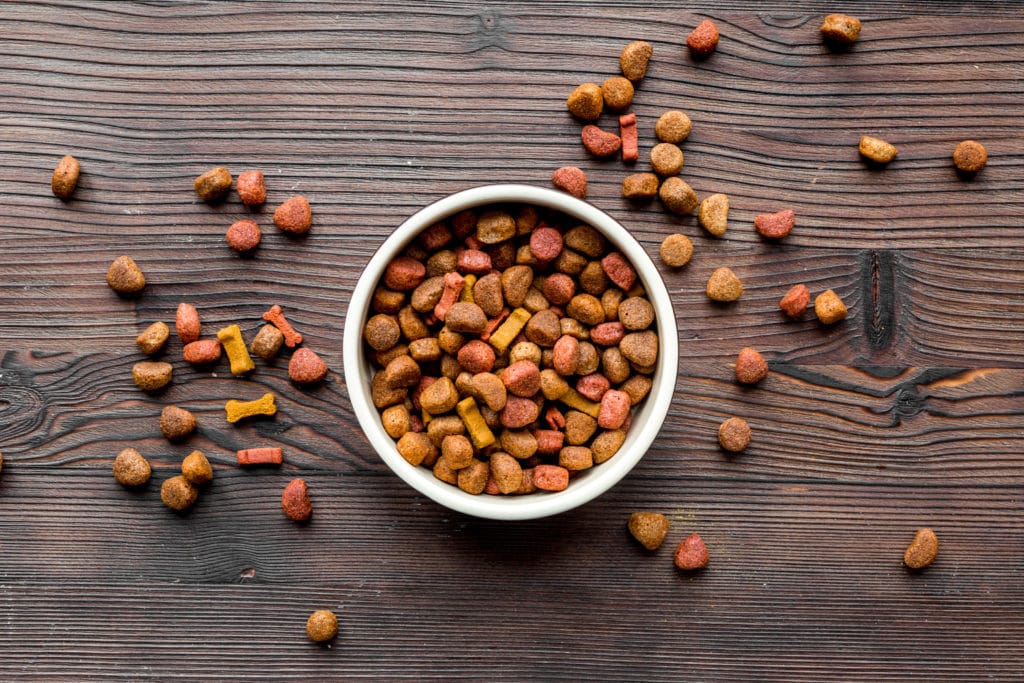
Each microorganism has to maintain and ideal water activity. When a microorganism encounters an environment where the water activity is lower than their internal water activity , they experience osmotic stress and begin to lose water to the environment since water moves from high water activity (energy) to low water activity. This loss of water reduces turgor pressure and retards normal metabolic activity. Notice that an organism’s ability to reproduce and grow does not depend on how much water is in its environment (moisture content), only on the energy of the water (water activity) and whether it can access that water for growth. Consequently, each microorganism has a unique limiting water activity below which they cannot grow. The key to controlling microbial safety and its growth in Pet food is to process it to water activities less than 0.85 aw to stop bacterial growth, 0.70 aw to stop mold growth, and 0.60 aw to stop the growth of all microoganisms. Inbetween these limits you may easily controll the stability of pet food.
WATER ACTIVITY IN PET FOOD AND CHEMICAL STABILITY
WATER ACTIVITY IN PET FOOD AND PHYSICAL STABILITY
WATER ACTIVITY INGREDIENT INSPECTION IN PET FOOD
THE MOST IMPORTANT SPECIFICATION: WATER ACTIVITY IN PET FOOD
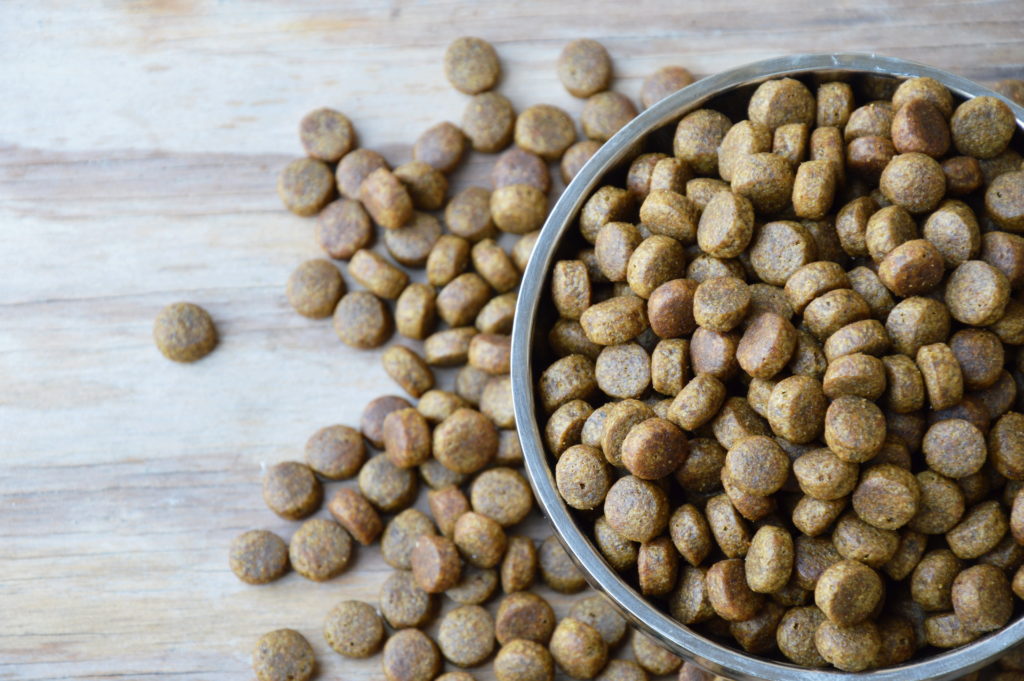
" For pet food, setting an ideal water activity specification is a critical step in formulating for safety and quality. The specification can be set to avoid microbial proliferation, chemical reactions, physical and structural degradation, and moisture migration. The ideal value can be determined based on the most likely mode of failure, such as texture loss for dry products, chemical degradation for semi-moist products, and microbial growth for wet pet food. Once the ideal water activity is determined, a combination of processing and formulation can be used to achieve that ideal water activity."
Dr. Brady Carter world-renowned specialist in water activity
Download the full Application note here!
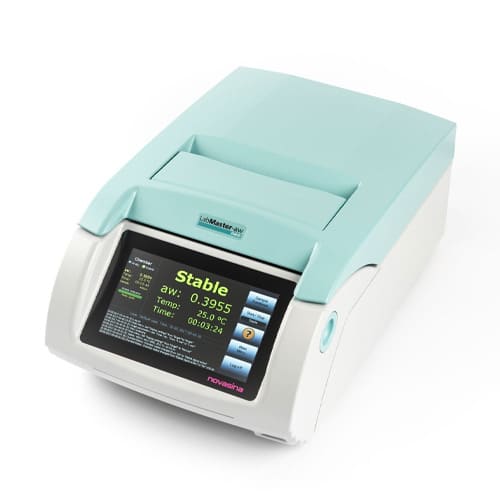
Water activity meters best suited for Pet Food!
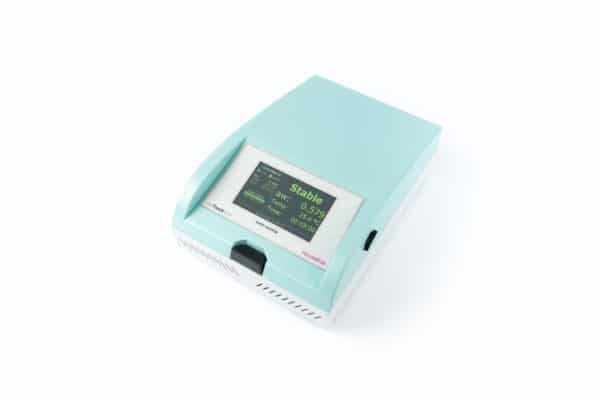
LabTouch-aw